Joe Turner
Engineering Manager - Wānaka
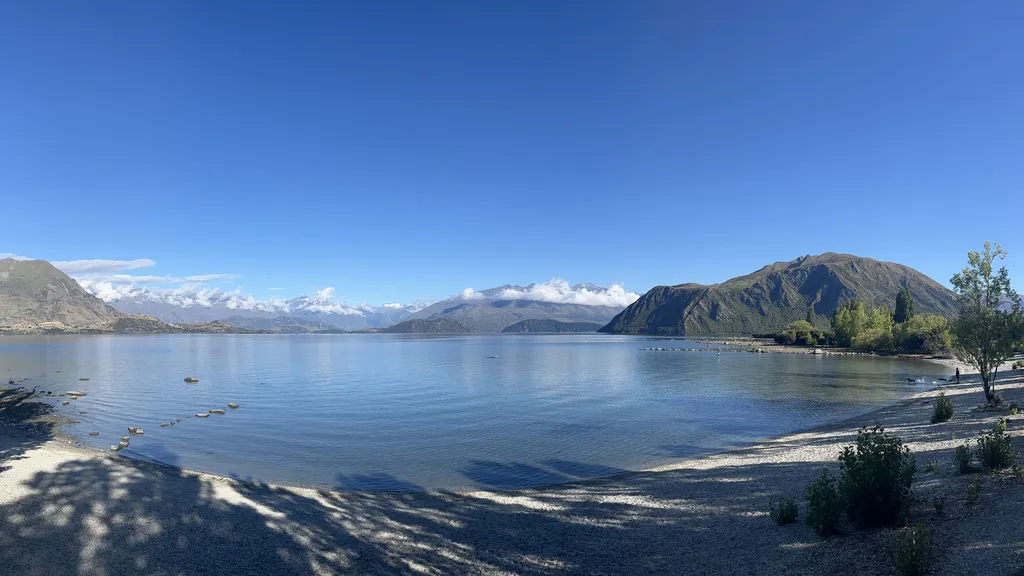
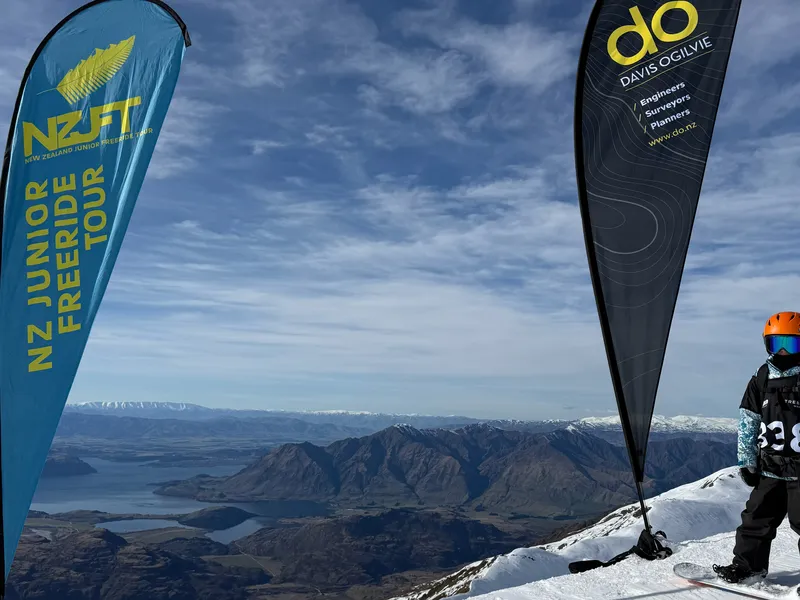
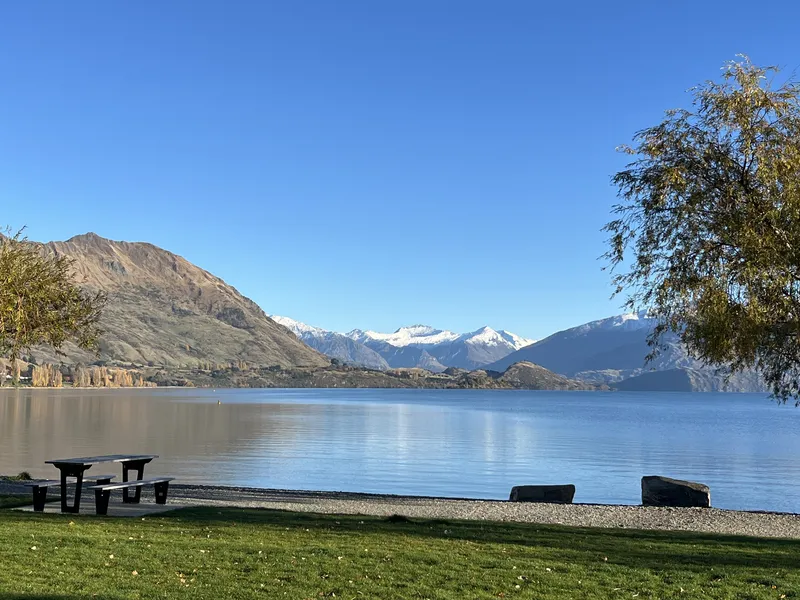
Scroll through Instagram after a weekend in Wānaka and you’ll see plenty of eye candy. Fresh snow, bluebird days, mountain-bike trails, a perfectly still lake, great accommodation, and possibly even a cinematic picture of a drink in hand as the sun sets behind the snow-capped mountains.
What you won’t see though, is the wastewater system. Or the stormwater design, the access road, the car park or carefully engineered piece of infrastructure that helped make that tourism experience possible. We love those kinds of pictures, but it’s a good thing that visitors aren’t always aware of the infrastructure because, if they are, something has probably gone wrong.
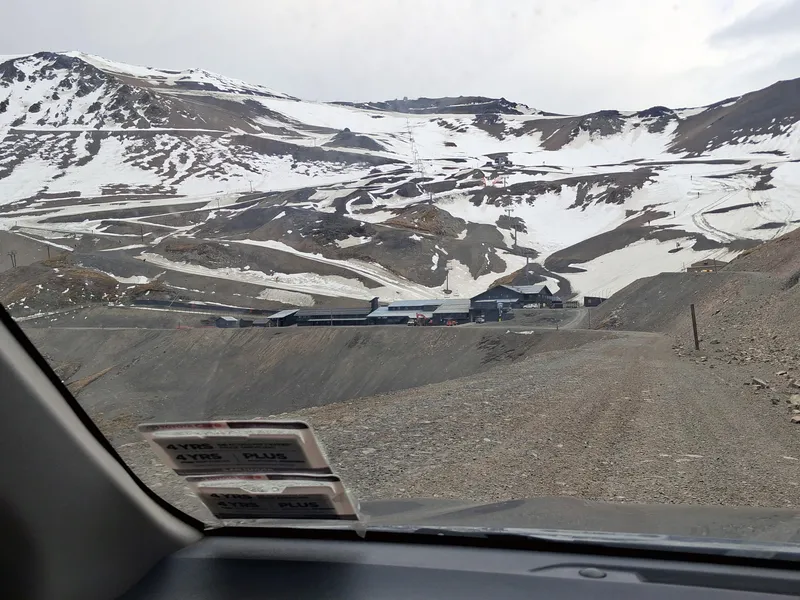
A visitor looks at a ski field and sees a day on the mountain. An civil engineer on the other hand, might see a perfectly designed access road standing up to some unforgiving weather, or a drainage systems dealing with snowmelt and rainfall. They might be admiring the structures that have been designed for challenging alpine conditions, looking at the wastewater infrastructure, or they might be thinking about the relatively short window in which maintenance and construction can happen.
A visitor sees a lakeside accommodation development, possibly as a great place to relax and unwind. Whereas, we might be thinking about its foundations, ground conditions, water supply, wastewater, stormwater, access, parking and how all those things work together without detracting from the reason people wanted to stay there in the first place.
A visitor sees a great tourism experience. Behind it, there's often a surprising amount of engineering.
That's particularly true in a place like Wānaka. People often come to this unique part of New Zealand because of its breathtaking landscape. The last thing anyone wants, is for the infrastructure required to support tourism, to overwhelm the very environment people came here to experience… That creates an interesting challenge.
As visitor numbers grow and tourism businesses evolve, the infrastructure behind it needs to work harder, while often needing to become less visible. In addition, everything needs to function in an environment where weather, topography and seasonality can make seemingly straightforward projects considerably more complicated.
Getting that balance right requires thinking about everything as a whole, rather than individual pieces of infrastructure in isolation.
One of the interesting things about tourism infrastructure is that you often aren't designing for an average day. You're designing for the peaks.
Water supply, wastewater, traffic movements, parking and other services need to accommodate those peaks without creating an asset that is unnecessarily expensive or inefficient for much of the rest of the year. It’s a great engineering challenge, but it's also a commercial one, and the right solution isn't necessarily the biggest one. It's generally the one that understands how the business operates and how it will be used.
It’s tempting to focus entirely on the visitor-facing parts of a project when talking about a tourism development. Understandably so too, as the architecture, the view and the experience, can be out-of-this-world. But sometimes, the issues that determines whether a project works is considerably less glamorous.
Questions like “Where does the wastewater go?” can influence the feasibility, cost and design of a tourism development. The same goes for access, ground conditions, water supply and stormwater.
If you’re developing a site, asking those questions, and finding those constraints early, gives you options. Finding them once the design is finished can push your timeline out and get expensive depending on what’s involved.
There's possibly another important conversation happening around tourism in Wānaka and the Southern Lakes: How do we continue welcoming people to these extraordinary places without steadily eroding the things that have made then extraordinary in the first place?
Infrastructure. Better water management, efficient servicing, resilient infrastructure, good site design and good environmental planning can all help reduce the footprint of tourism development.
It’s also good to think beyond the boundary of the project. For example, how does it connect with surrounding infrastructure? What pressure does it add? What happens at peak periods when tourism number soar? Could the project improve an environmental outcome rather than simply mitigate its impact?
These answers to these questions are likely to become increasingly important as the region continues to grow.
Our Wānaka office might be the newest of our five South Island offices, but working in tourism and alpine environments isn't new to us. And that experience has taught us that the infrastructure nobody photographs can be just as important as the experience everybody does. Because behind the perfect Wānaka Instagram post there may well be an engineer quietly admiring the drainage.
Interested in learning more?
GET IN TOUCH