Joe Turner
Engineering Manager - Wānaka
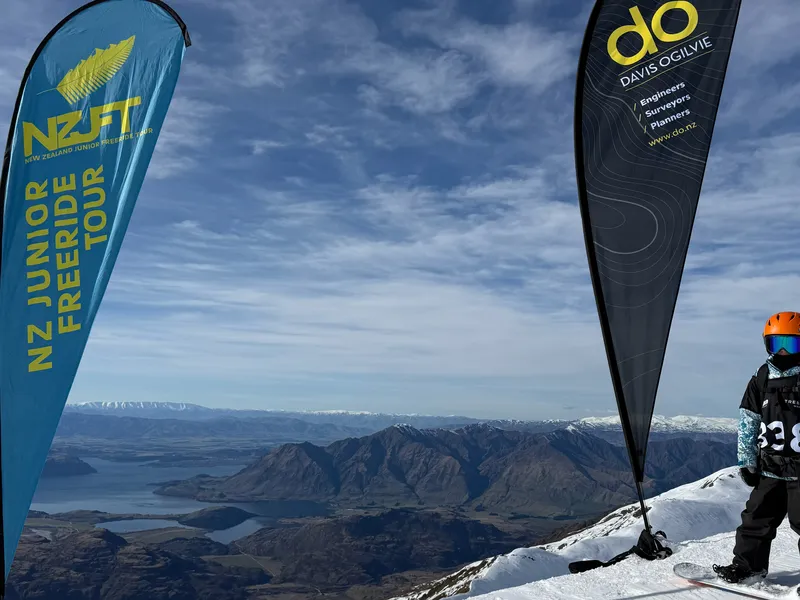
This season, we were proud to sponsor the New Zealand Junior Freeride Tour (NZJFT). Watching these young skiers and snowboarders take on challenging terrain was a great reminder of the expertise and respect for the mountains these environments demand.
It’s also a good reminder that alpine environments are rarely straightforward. When it comes to engineering, surveying and planning, understanding the terrain, working through the challenges early and being prepared for changing conditions are all important parts of the process.
We’ve worked in alpine environments for decades, with a long association with Mt Hutt and projects across Canterbury, Otago and the Southern Lakes. In this article, we look at some of the key things to consider when planning a project in these environments, where conditions can change quickly and no two sites are quite the same.
It’s relatively easy to make something work when the weather is fine and everything is operating as expected. The real test is what happens when it isn’t.
Heavy rain, snow and ice, freeze-thaw cycles, strong winds and rapidly changing conditions can all put pressure on infrastructure. In alpine areas, relatively small failures can also have much bigger consequences because access is harder and alternative routes or services may be limited.
Resilience therefore needs to be considered at the start of a project, rather than something that is added once the design is largely complete.
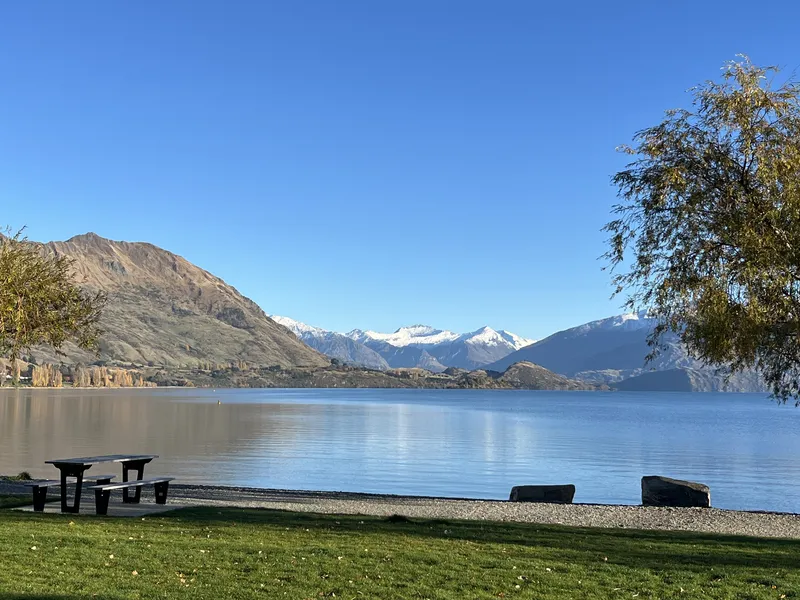
Of course, that doesn’t only apply on the ski field. Wānaka and the wider Southern Lakes sit in an extraordinary environment, but it is also a demanding one. As the region continues to grow, we need to think carefully about how the infrastructure supporting that growth will still do its job when the conditions are at their worst.
On a tour like the NZJFT, getting athletes, families and equipment safely up the mountain is part of making the event possible. The same applies to infrastructure - if you can’t reliably get to something, it doesn’t matter how well designed it is.
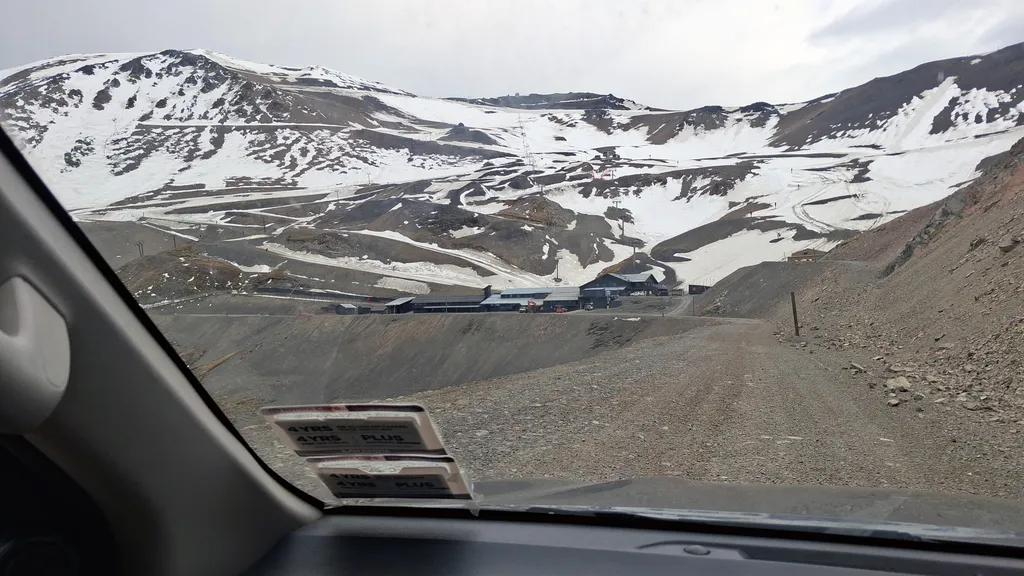
Our work around Mt Hutt has reinforced the importance of access as a fundamental part of infrastructure planning. In mountainous terrain, road alignment, drainage, slope stability, pavement performance and ongoing maintenance are all connected.
It’s the same across the Southern Lakes. Whether it’s a new development, tourism operation or piece of community infrastructure, access needs to be considered in the context of the landscape, weather, natural hazards and how the asset will be used throughout the year.
Water has a habit of finding the weak point, especially in the mountains. Snow melt, heavy rainfall, runoff from steep catchments and changing ground conditions can quickly expose weaknesses in drainage systems.
Understanding where water comes from, where it wants to go and what happens when a system exceeds its normal design capacity is fundamental. In a growing place like Wānaka, that means thinking beyond individual sites.
Development changes catchments. More roads, roofs and hard surfaces mean more runoff, and decisions made on one site can impact further downstream. Good stormwater design therefore isn’t simply about moving water away from a development. It’s about understanding the wider system and working with the natural landscape wherever possible.
Watching the NZJFT, you quickly appreciate how much respect the athletes have for the mountain. They can prepare, train and plan their line, but when it comes time to drop in, they still need to work with the terrain and conditions in front of them.
It’s the same with development. You can prepare and plan, but you still need to work with the land in front of you and that requires all our disciplines working together. Surveying informs engineering, geotechnical information influences civil and structural design, environmental considerations affect what can happen and where, and planning determines the framework in which everything needs to operate.
And the landscape itself often has the final say.
This integrated approach is particularly important around Wānaka, where topography, waterways, natural hazards, landscape values and community expectations can all influence development. The earlier those factors are understood, the greater the opportunity to design around them rather than discovering constraints after big decisions have already been made.
Timing matters in the mountains. There may only be a fairly narrow window for earthworks, access improvements or other construction. Missing that window can mean waiting months rather than weeks.
That makes the work before construction especially important, from planning and consenting through to investigation and design. It also means thinking about how the project will actually be built, not only what it should look like when it’s finished.
Wānaka is changing. Its growth brings opportunities for new homes, businesses, tourism and community infrastructure, but it also has the potential to put pressure on the systems that support them and there’s value in bringing lessons learned from alpine environments into that conversation.
It comes back to understanding the landscape, reading the conditions, planning for the extremes, respecting water, involving the right people early and being ready to adapt when things change. They’re principles that work well whether you’re dropping into a freeride line or designing infrastructure that needs to perform in one of New Zealand’s most challenging environments.
Our Wānaka office is a natural fit for us. It brings together work and lifestyle, great for our clients and great for out team. While it’s the newest of our five offices, our experience here isn’t. After more than 40 years working in the region and the South Island’s alpine environments, we’re looking forward to continuing to build on that experience and helping Wānaka and the wider Southern Lakes prepare for what comes next… while perhaps enjoying a sneaky run down the mountain when the conditions are right.
Interested in learning more?
GET IN TOUCH